
Fill out the form below to have your bug identified!

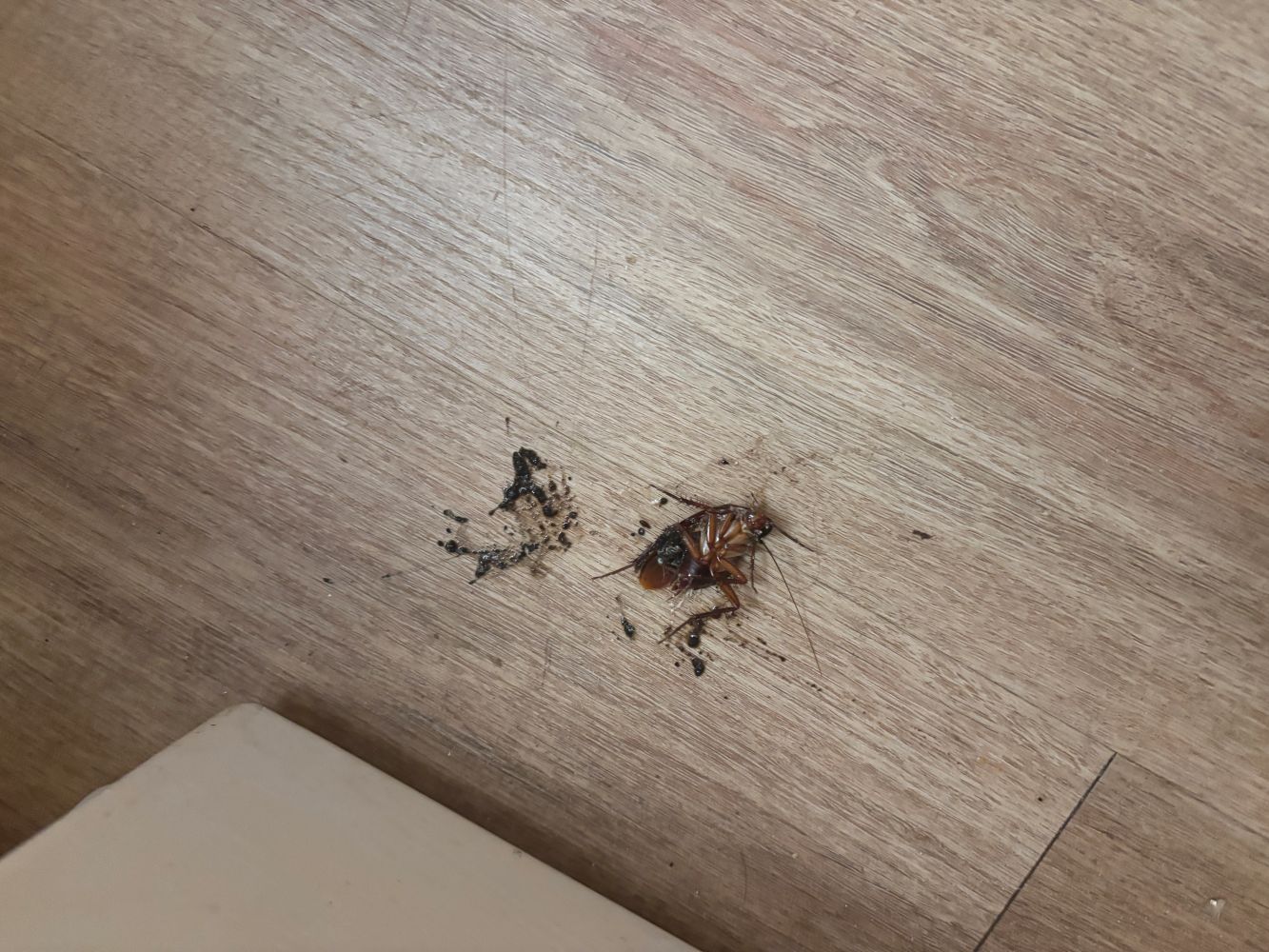
This is a cockroach. You can identify them by their flat, oval body, long antennae, and spiny legs, and they tend to scatter quickly when lights come on. They’re drawn to warmth, moisture, and food residue.
I recommend sealing food, cleaning up crumbs, fixing leaks, and reducing clutter. If you’re seeing them repeatedly or during the day, a professional inspection and targeted treatment is a smart next step.
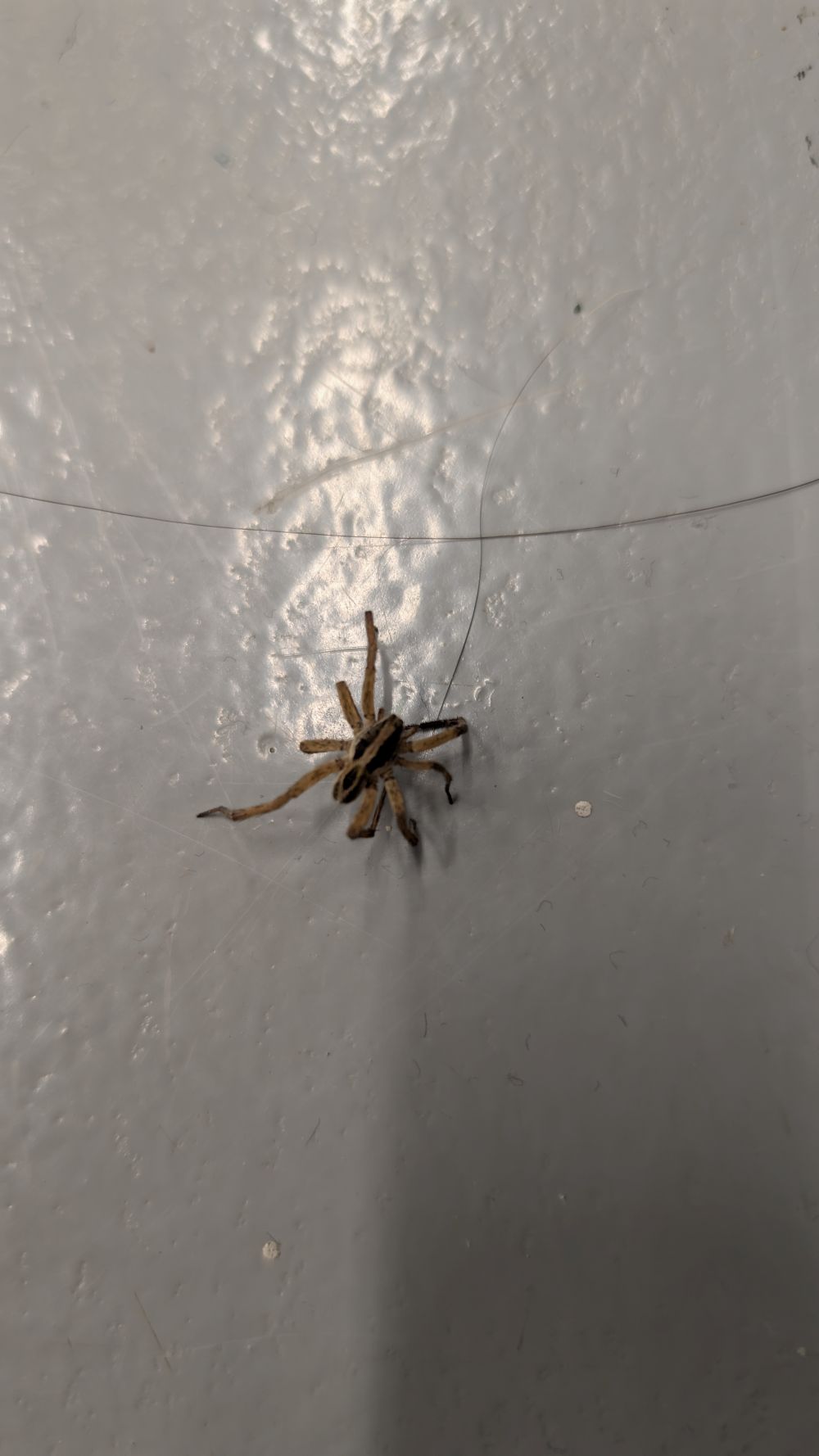
This is a wolf spider. You can identify them by their sturdy, hairy body, long legs, and fast, ground-hunting behavior. They don’t build typical webs and are often found wandering floors or near doors and basements. Wolf spiders are generally harmless and actually help reduce other pests indoors.
I recommend sealing gaps, reducing indoor clutter, and checking exterior entry points. If you’re seeing a lot of them, it may indicate other insects nearby that are attracting them.
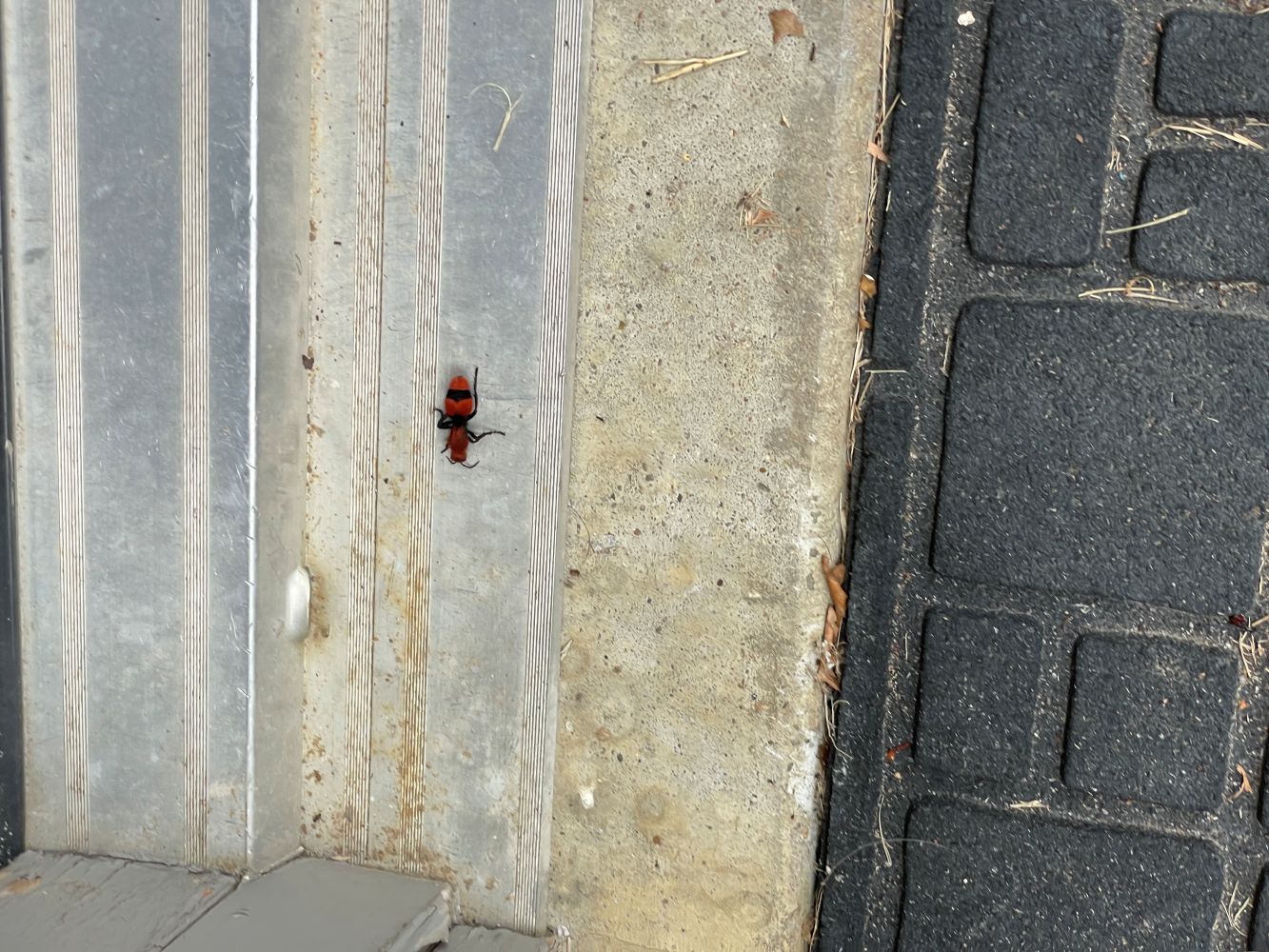
This is a red velvet ant. Despite the name, it’s not an ant. It’s actually a wingless female wasp. You can identify it by its bright red, fuzzy body and slow, purposeful walking on the ground. They’re not aggressive, but they can deliver a very painful sting if handled.
I recommend keeping kids and pets away, avoiding direct contact, and watching for them in sunny, sandy areas outdoors. If you’re seeing them often around your property, we can help assess the area and reduce the conditions that attract them.
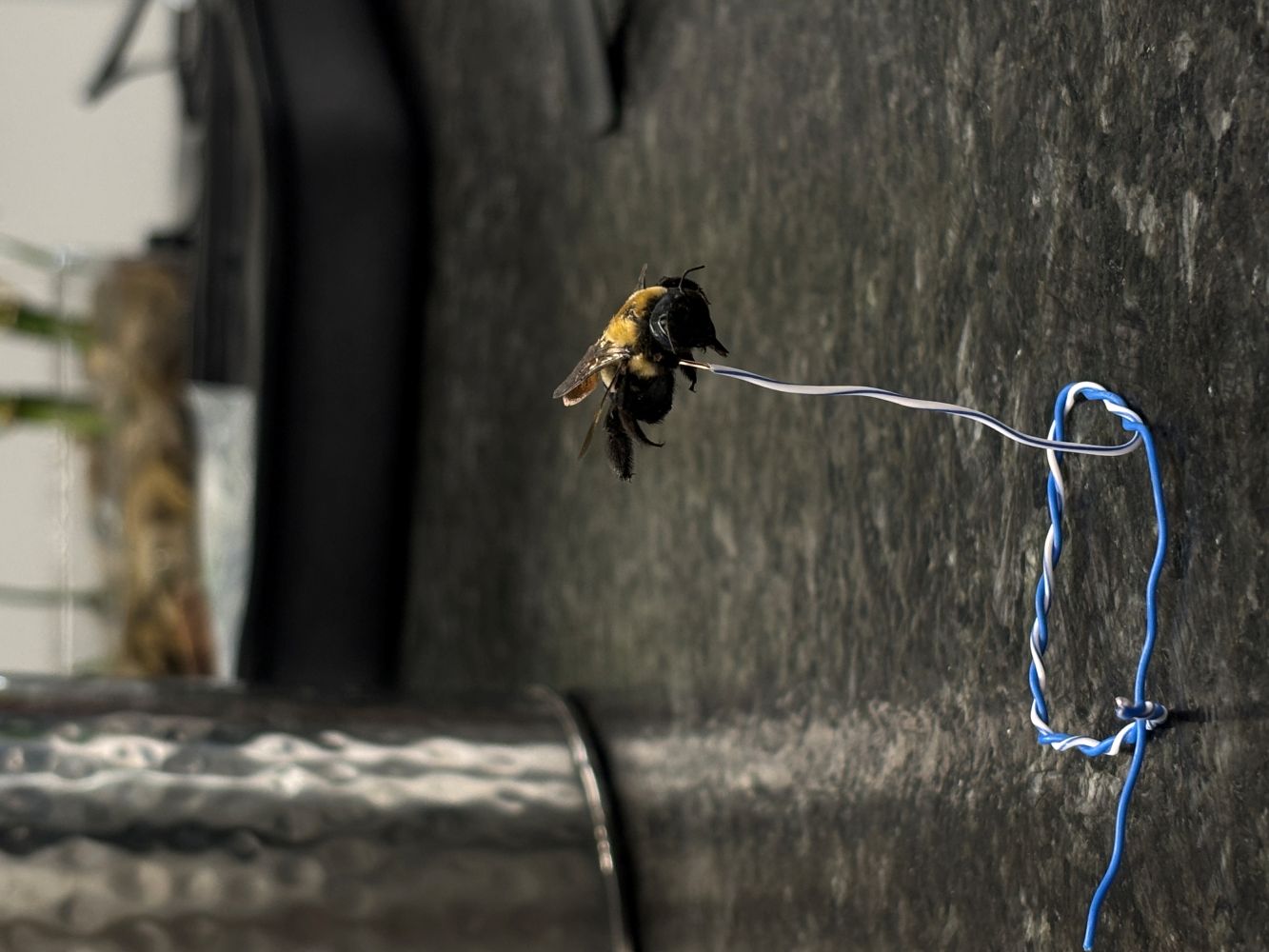
This is an eastern carpenter bee. You can identify them by their large size and smooth, shiny black abdomen. They’re often mistaken for bumble bees, which usually have a fuzzier, more patterned abdomen. Carpenter bees hover around eaves, decks, and railings and may leave perfectly round holes in bare wood. They’re generally not aggressive, but repeated activity can lead to wood damage over time.
I recommend sealing or painting exposed wood and watching for fresh sawdust. If you’re seeing multiple holes or ongoing activity, a targeted treatment and prevention plan can help protect the structure.
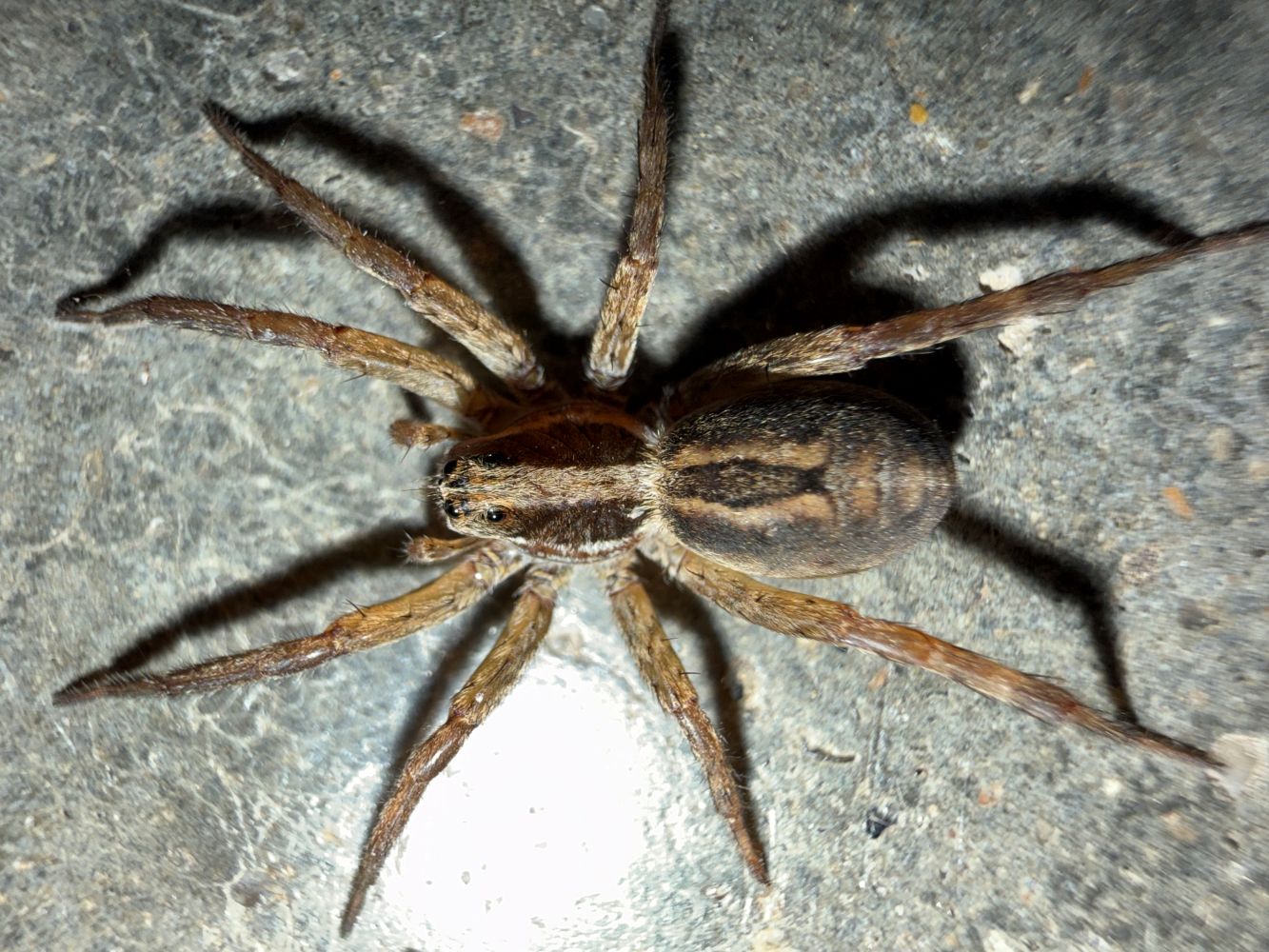
This is a wolf spider. You can identify them by their sturdy, hairy body, long legs, and fast, ground-hunting behavior. They don’t build typical webs and are often found wandering floors or near doors and basements. Wolf spiders are generally harmless and actually help reduce other pests indoors.
I recommend sealing gaps, reducing indoor clutter, and checking exterior entry points. If you’re seeing a lot of them, it may indicate other insects nearby that are attracting them.