Bat Control in Evansville, IN.
A careful way out.
Protection for your home.
Professional bat inspection, humane exclusion and entry-point sealing for homes and businesses. We connect the activity you’re noticing with a plan for the building.

Signs of bats
in your attic or roofline.
You may notice the activity before you see the animal. These clues are a reason to have the property assessed—not a reason to start closing openings yourself.
Activity around dusk
Bats repeatedly leaving one area near the roof, vents or an upper wall can point to a roost inside.
Sounds above the ceiling
Light scratching or squeaking in attic spaces may deserve a closer look, especially with other signs of activity.
Droppings or staining
Accumulated droppings or marks near an opening can help guide an inspection of the affected area.
Other wildlife can leave similar clues. Identification comes before the control plan.
How professional
bat exclusion works.
Exclusion allows bats to leave through a controlled exit while limiting their return. The species, building and season determine how and when the work can proceed.
Understand the roost and the building.
We look for activity, likely entry routes and the conditions around the roofline. An inspection helps define the exclusion method and any seasonal limitations.
- Identify primary and secondary openings
- Assess attic activity and affected materials
- Plan the appropriate next steps
Provide a controlled, one-way exit.
When exclusion is appropriate, a one-way device allows bats to leave their roost without providing the same route back inside. Other access points are addressed as part of the plan.
- Use an exclusion device suited to the opening
- Account for bat behavior and conditions
- Confirm the next stage before final closure
Close the routes back inside.
After the exclusion process, final sealing and targeted repairs help protect the structure. Cleanup and insulation needs are assessed separately where bat activity affected the attic.
- Complete appropriate entry-point sealing
- Address vulnerable roofline details
- Discuss cleanup and restoration needs
Illustrative model. The property assessment determines the actual method and repair details.
Seasonal timing matters for bat removal.
Bats may use a building to raise young or shelter through cold weather. Excluding them at the wrong time can leave young bats trapped inside or put the animals at risk.
A season-aware plan
We assess activity and conditions before recommending exclusion. Pup-rearing periods, winter weather and species protections can affect the work.
There is no single date that makes every building ready for exclusion. Start with an assessment of your property.
Indiana DNR bat guidanceEntry-point sealing for long-term bat prevention.
The route bats use is part of the problem. We look beyond the main opening to the smaller details that can keep a roofline vulnerable.
Roof intersections
Roof edges, junctions and trim details can conceal access routes. Targeted sealing addresses the openings identified during inspection.
Vents & fascia
Appropriate screening and repairs can protect vulnerable vents and roofline components while respecting the building’s ventilation needs.
Small secondary gaps
More than one opening may need attention. Secondary sealing and final closure work together with the exclusion process.
Care for the animal.
Care for the structure.
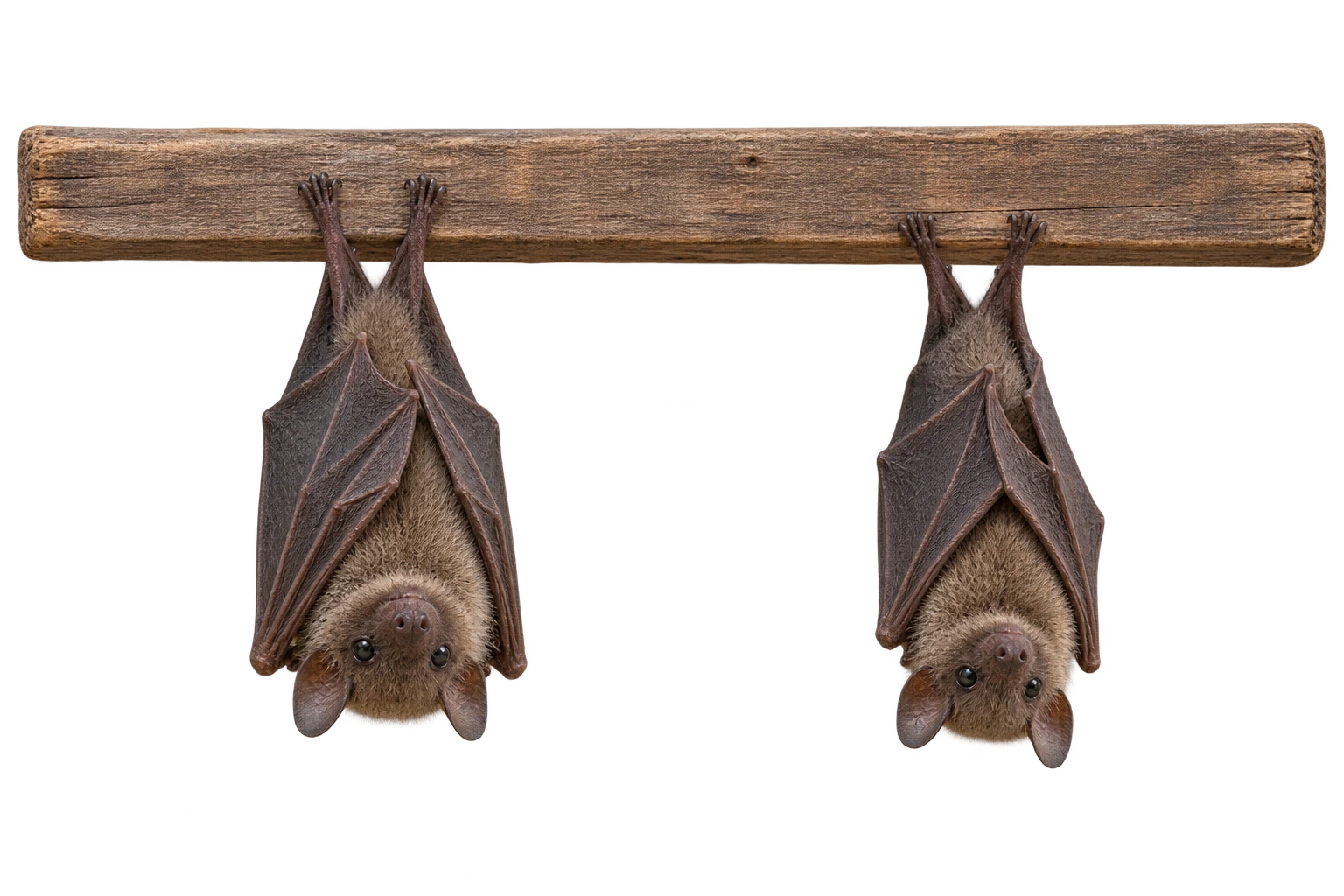
Bat exclusion is designed around how bats leave a roost. It offers a way to resolve an unwanted entry while treating the wildlife with care.
Bat guano cleanup & attic restoration.
Where bat activity has affected the attic, removal is only part of the picture. We assess droppings, debris and insulation to recommend the appropriate cleanup and restoration scope.
 Illustrative attic
Affected material removal
Assess debris and contaminated insulation.
Cleanup & disinfection
Give affected areas professional attention.
Insulation replacement
Discuss replacement where appropriate.
Bats in living spaces
& possible exposure.
Keep your distance.
Keep people and pets away. Avoid touching the bat or attempting to catch it yourself.
Call about the property.
Tell McMahon where the bat was seen and what is happening. We’ll discuss the situation and availability.
(812) 475-1100Get exposure guidance.
A bite, scratch, possible contact or uncertainty while someone was sleeping warrants prompt advice from a healthcare professional or local health department.
Do not release an indoor bat before getting public-health guidance. For a known bite or scratch, wash the area with soap and water and seek medical help right away.
CDC bat guidanceBat control
questions, answered.
A little understanding makes the next step easier. The property assessment fills in the details.
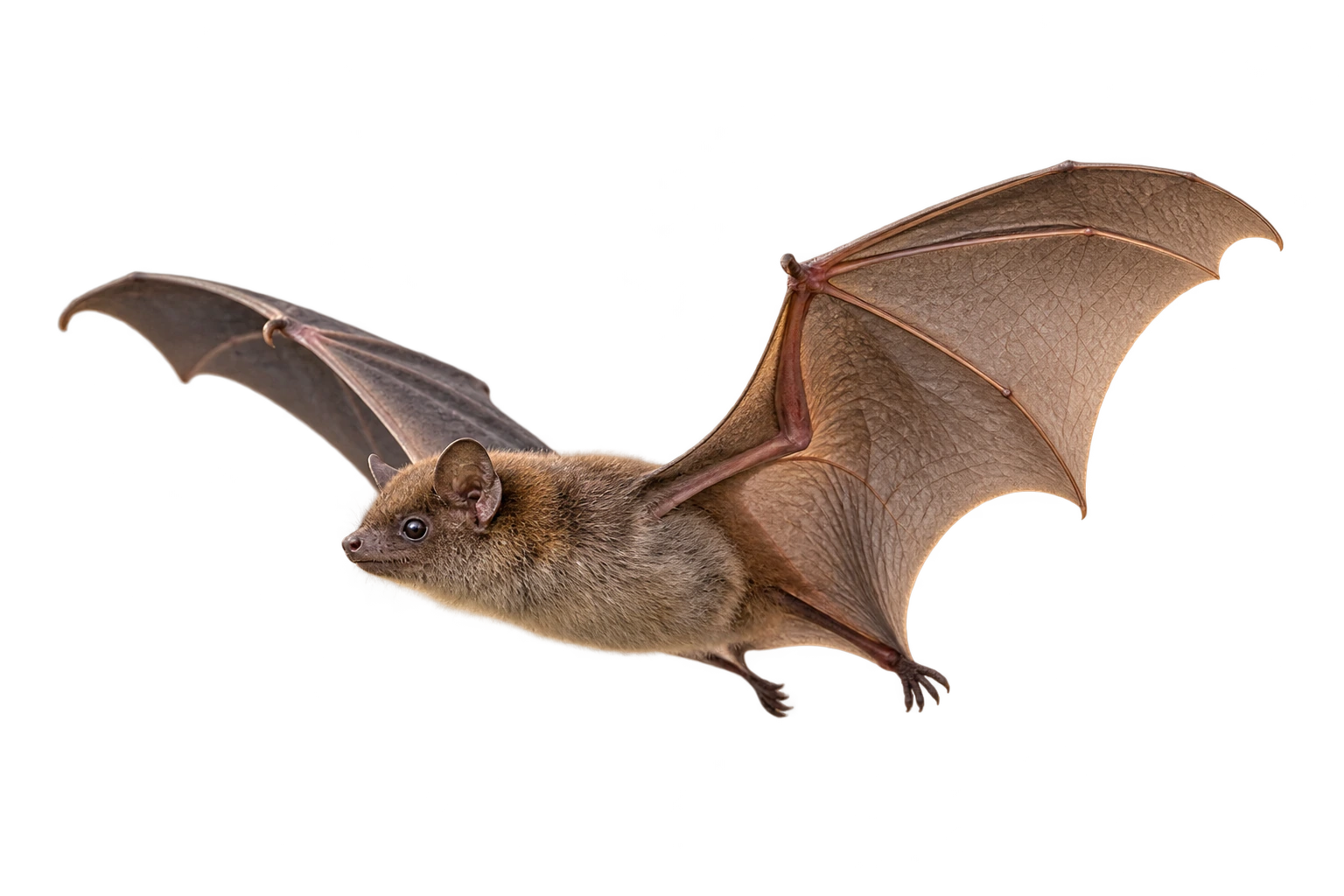
How do you know whether bats are inside?
An inspection looks at the signs of activity, likely roosting areas and potential entry routes. Sounds or droppings alone do not always identify the animal, so the findings guide the plan.
Do you use traps for bat control?
Bat work focuses on appropriate exclusion: allowing bats to leave a structure through a controlled route, then addressing the ways back inside. The species, building and conditions determine the method.
Can bat exclusion happen at any time of year?
Timing matters. Young bats may not yet be able to leave a roost, and winter eviction can put bats at risk. Weather and species considerations also affect the work. An assessment helps establish the appropriate timing.
Should I seal an opening myself?
Avoid sealing a suspected active entry before the situation is assessed. Closing the wrong opening at the wrong time can trap bats inside the building. Exclusion and sealing need to be coordinated.
Is attic cleanup included with exclusion?
Cleanup and insulation needs are assessed with the property. The team will discuss the appropriate scope, which may include affected material removal, cleanup, disinfection and replacement insulation. It is not automatically the same for every attic.
Where do you provide bat control?
Contact McMahon about a property in Evansville, Southwestern Indiana or Western Kentucky. We’ll confirm availability for your address and the service you need. Existing Nuisance customers can also call (812) 801-7712.
 Wildlife expertise. The McMahon way.
Arrange a
bat inspection.
Tell us where you’re located and what you’ve noticed. We’ll help you understand the next step for the building.
View all wildlife servicesActivity at dusk. A sound above the ceiling.
Start with what you know.