Waterfowl Control in Evansville, IN.
Professional help for geese, ducks & the places they gather.
Ponds, open lawns and busy paths can bring people and waterfowl into the same space. We start with the birds and the property, then help you understand humane options and the authorizations your plan may need.
Discuss your property

Waterfowl management starts with the property.
Recurring gatherings often have a reason. We look beyond the flock to the features that make a site a convenient place to feed, rest and move.
Water & resting areas
Ponds and retention basins can offer convenient refuge close to feeding areas.
Lawns & food sources
Short, open turf and intentional feeding can encourage birds to keep returning.
People & access routes
Entrances, paths and shared grounds help define where recurring activity creates conflict.
Goose prevention can begin at the water’s edge.
Open routes between water and short grass can make a property inviting. Explore how a planted edge changes that relationship, as one part of a wider management plan.
A suitable vegetation buffer can interrupt clear walking routes. Planting, access and stormwater needs should be assessed together; no single landscape feature makes a property wildlife-proof.
This is an illustrative planning concept, not a planting specification, client installation or prediction of results.
Humane waterfowl management for working properties.
A home pond, business entrance or shared green space needs a practical plan. We consider the species, routines and use of the property before recommending appropriate methods.
- 1
Understand the activity.
Identify feeding, resting and nesting areas, along with the routes that birds and people share.
- 2
Choose suitable options.
Consider appropriate nonlethal deterrence, habitat changes and any work that needs authorization.
- 3
Plan for follow-through.
Connect the recommended work with the season, property operations and ongoing management needs.
Where authorized capture is appropriate, the method and handling plan must suit the species and conditions, with attention to limiting avoidable stress and risk of injury.
Illustrative property photographySeasonal planning for Canada goose control.
The same property can need a different approach as birds nest, raise young or gather again. Explore the conditions that shape a responsible plan.
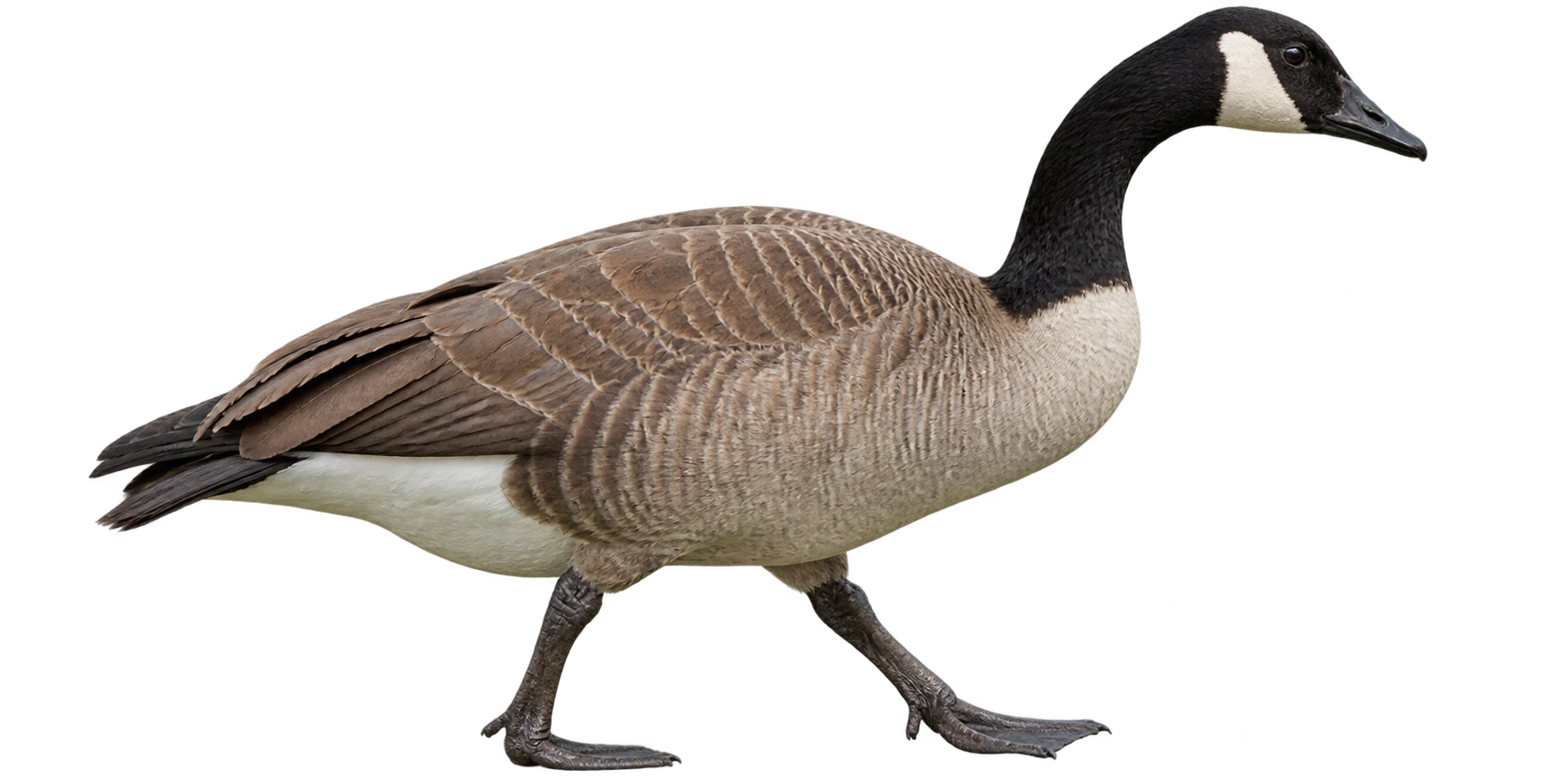
Nesting changes the situation.
Defensive behavior near an entrance or path may be connected to a nest. Species and nest status need to be understood before anything is disturbed.
Keep people back from the immediate area and mention any occupied nest when you call.
Not every goose can fly away.
Goslings cannot fly, and adults go through a temporary flightless molt. Their condition affects the appropriate methods, timing and permissions for a management plan.
Mention young or flightless birds so their needs can be considered before work is planned.
Repeated gatherings need a wider view.
When birds return to the same lawn or pond, their routine can point to food, easy access or a comfortable resting area. A plan should address those conditions together.
Note when birds arrive, where they settle and which parts of the property are affected.
Waterfowl control permits & authorizations.
An assessment is different from permitted capture or removal. The species, site, season and proposed work determine which permissions apply.
Read current Indiana DNR guidanceWaterfowl control for Evansville-area properties.
Ponds, lawns and common areas.
Entrances, grounds and retention basins.
Managed recreational and municipal properties.
Ask about your Evansville or nearby Indiana property. Availability, site needs and the appropriate scope are confirmed when you inquire.
Waterfowl control questions & answers.
Choose a question to explore the property, planning and preparation behind the work.
Why do geese keep returning to the same pond?
Water beside short, open turf can provide convenient grazing and a clear route to shelter. Feeding can make that attraction stronger. An assessment looks at those conditions and the flock’s routines, so the plan can address the property features supporting repeated activity rather than relying on one isolated deterrent.
Can you assess a shared property or commercial site?
Yes. Waterfowl concerns can affect HOA common areas, business grounds, municipal spaces and recreational properties as well as homes. Share who manages the site, where birds gather and how the area is used. We can discuss an assessment and confirm availability and the appropriate scope for your Indiana property.
Does every waterfowl assessment require a permit?
A site assessment is different from permitted capture or removal. The species, property and proposed work determine which authorizations apply. For permit-based services, the required authorization must be in place before work begins. The property owner or authorized manager has a role in that process; hiring an operator does not replace it.
Can a goose nest or eggs simply be moved?
Do not move or disturb an occupied nest or its eggs. Species and nest status affect the legal options. Resident Canada goose nest and egg work may involve federal registration and state requirements; that authorization does not automatically cover other birds or handling live geese. Have the situation assessed before taking action.
When should we ask for a waterfowl assessment?
Get in touch when gatherings begin to repeat, routes become affected or nesting activity raises concerns. Early planning helps connect the available methods with the property and season. If nests, goslings or flightless birds are present, mention them when you call so their needs and any timing restrictions can be considered.
What information should we have ready?
Share the address, property type, approximate flock size and the areas affected. Note whether birds are feeding, resting or nesting, and whether any permits are already in place. For a new concern through McMahon, call (812) 475-1100 or use the contact page to discuss the next step.
Talk with McMahon about waterfowl control.
Tell us where birds are gathering, how the property is used and what you have noticed. We’ll help you understand the next step for your site.