Bird Control in Evansville, IN.
Professional help for roosting, nesting and unwanted entry.
When birds make a building part of their routine, the right plan starts with the species and the space. We assess the activity, explain appropriate options and help protect the places where you live and work.


Bird roosting & nesting problems around your building.
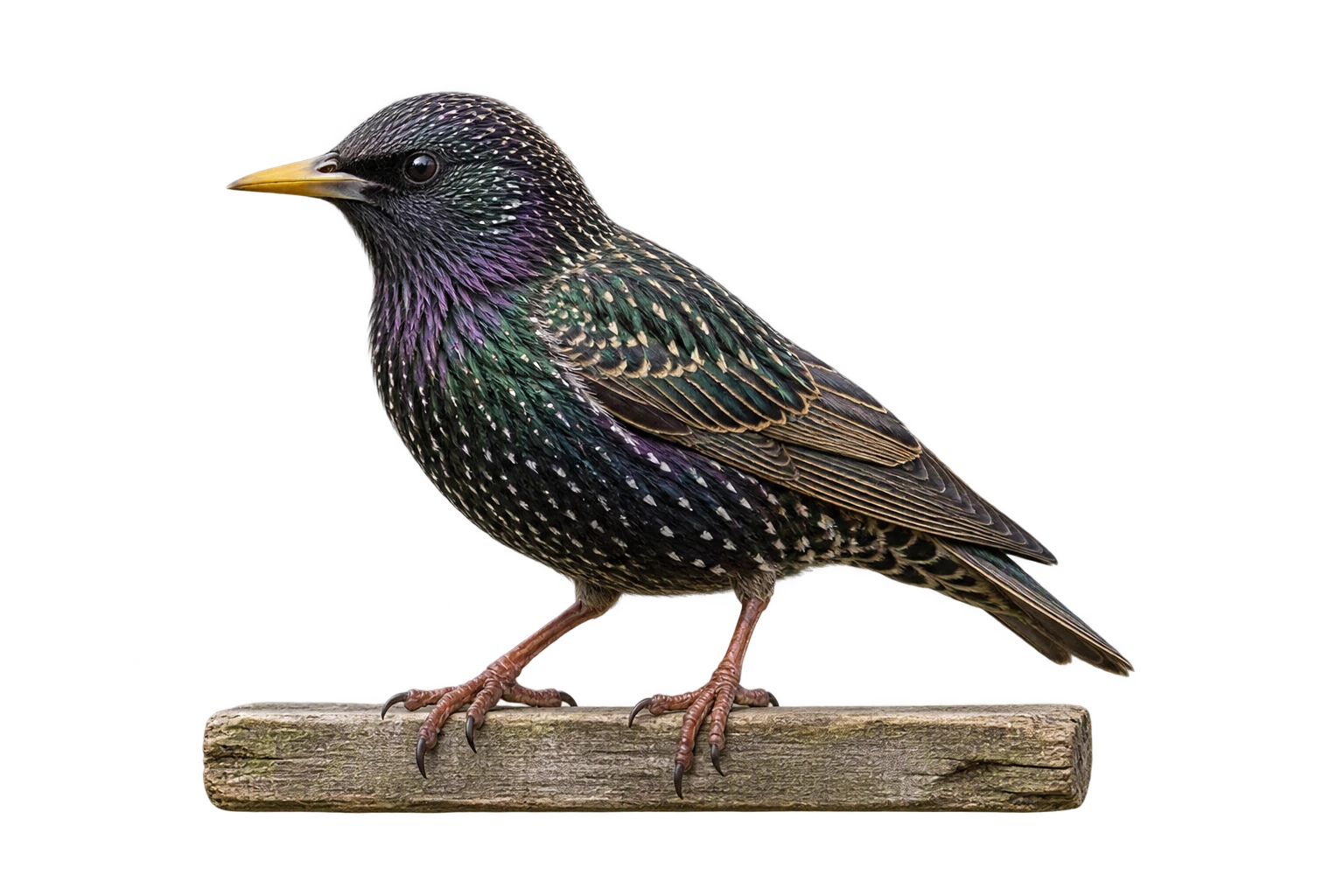
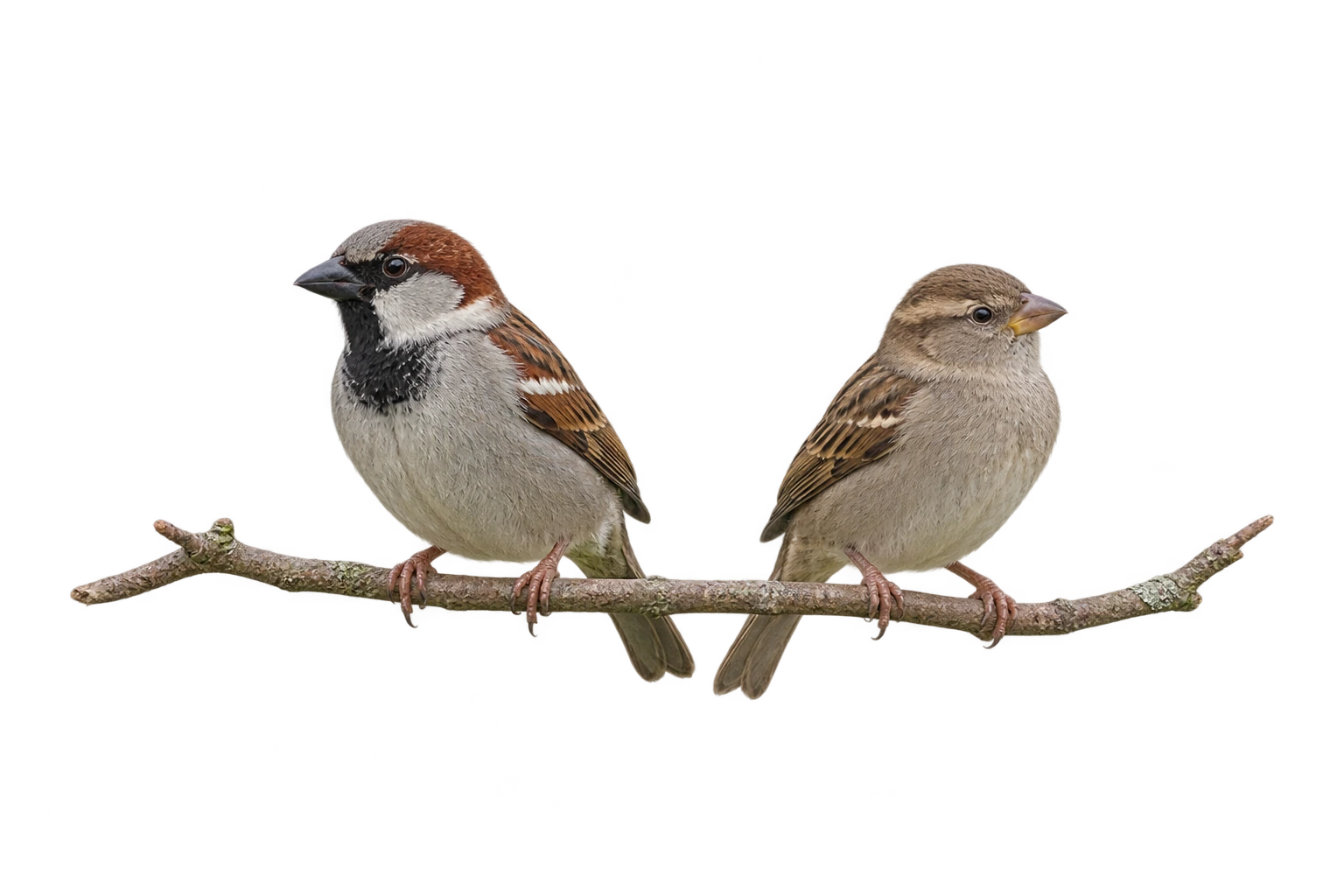
Pigeons, starlings, house sparrows and other birds can return to sheltered openings, quiet ledges or covered spaces. Explore how the species and building guide the assessment.
Review the routes inside.
Roof vents, gable vents, chimneys and other openings deserve a close look. We identify the activity and consider appropriate screening without overlooking ventilation or the building’s function.
Understand the landing space.
Repeated roosting on a ledge or sign can leave debris below and keep birds returning. The surface, species and property use help guide suitable deterrence or ledge protection.
Look beneath the cover.
Canopies, beams and warehouse rafters provide sheltered places to settle. We assess those spaces and discuss practical exclusion that works with the building and its everyday use.
Bird exclusion designed around the space.
Explore how a physical barrier and a changed landing surface can help limit access. The right approach follows an assessment of the actual building and bird activity.
Shelter and a place to land.
Open areas beneath a canopy and broad ledges can support repeated roosting. Inspection connects the activity to the spaces birds are using.
A barrier and a different surface.
Appropriate screening or netting can limit access, while an angled ledge treatment changes a landing surface. Product selection, fitting and timing depend on the findings.
This model explains general exclusion concepts. It is not an installation specification or a photograph of client work.
Species-aware bird control. Nests considered.
Birds do not all behave the same way, and their nesting situations can carry different protections. We begin with identification and the conditions at the property before recommending work.
- 1
Identify the bird and activity.
Understand the species, location and signs of roosting or nesting.
- 2
Review the nest situation.
Nest status and applicable protections help determine the options and timing.
- 3
Choose an appropriate approach.
Discuss suitable exclusion, humane deterrence and permitted debris management.
Have the situation assessed before disturbing a nest or closing an opening. Birds or dependent young may still be using the space.
Bird control for homes, businesses & working buildings.
The way a property is used matters. We look at bird activity alongside access, daily operations and the surfaces that need protection.
Homes & rooflines
Vents, chimneys and sheltered openings around the home.
Storefronts & facilities
Signs, ledges and entrances where recurring activity creates concerns.
Canopies & industrial spaces
Covered structures, beams and rafters that offer places to roost.
Bird debris cleanup & building protection.
Exclusion is only one part of the picture. Nesting material, droppings and affected surfaces may also need attention. The assessment helps establish the right scope.
Assess affected areas
Review debris, surfaces and any openings associated with the activity. Identify what needs cleanup and what needs a different kind of repair.
Understand the scopeAddress permitted debris
Discuss appropriate management of nesting material and accumulated debris after the bird and nest situation have been evaluated.
Plan the follow-throughProtect vulnerable details
Coordinate suitable screening, exclusion or access repairs with the building’s needs. Specialized trade work calls for the appropriate professional.
Look beyond removalBird control in Evansville & nearby communities.
Bird service inquiries are welcome from Evansville, Southwestern Indiana and Western Kentucky. We confirm availability for your address and the work you need.
Bird control questions, by topic.
Explore the planning, property work and next steps behind a bird-control assessment.
Can you help if I don’t know which bird is involved?
Tell us where birds are gathering, when you notice activity and whether they are entering the building. An assessment helps identify the species, nesting or roosting location and the conditions involved. Those findings guide a suitable plan for your property and the birds involved.
Can a bird nest be removed right away?
Nest status and species matter before any work begins. Birds, eggs or dependent young may still be using the space, and wildlife protections can affect timing or require authorization. Have the situation assessed before disturbing a nest or closing an opening. We can explain the appropriate next steps.
Do birds always need to be trapped?
Not always. Exclusion or deterrent measures may help limit access to a problem area. The species, location and nest status guide the choice of methods. Our approach focuses on humane, practical solutions for the building, with attention to any birds or dependent young still using the space.
Does bird control include cleanup?
Cleanup needs are assessed alongside bird activity. Nesting material, droppings and affected surfaces may need attention after the situation and applicable restrictions are addressed. We explain the recommended scope and discuss any insulation concerns or specialist repairs separately, based on the condition of the affected space.
Where is bird control available?
Ask about bird service for homes and businesses in Evansville, Southwestern Indiana and Western Kentucky. Availability is confirmed for your address and the work involved. Tell us the location, where birds are gathering and any recurring activity so we can discuss an appropriate assessment for your property.
Who should existing Nuisance customers contact?
Existing Nuisance Wildlife Control customers can call (812) 801-7712 with questions about current service. For a new bird concern through McMahon, call (812) 475-1100 or use the McMahon contact page. Share the property location and what you are seeing so we can discuss the next step.
Get professional help with bird activity.
Tell us where birds are gathering, how they are getting in or what you have noticed. We’ll help you understand the next step for your property.