Rodent Control in Evansville, IN.
A clearer plan for mice and rats.
We inspect the property, explain the findings and recommend professional control and prevention suited to the activity we find. For homes and businesses, the details of the building matter.
(812) 475-1100 Talk with McMahon
Mice & rat control for your property.
Rodent concerns can involve different animals and different parts of a building. Identification helps shape the inspection, control method and prevention plan.
House mice
Small openings and hidden spaces can support recurring activity. We look at the evidence, access routes and the conditions around them.
Norway rats
Interior and exterior findings belong in the same assessment. Activity, potential nesting sites and access details help guide the approach.
Roof rats
The inspection considers the building as a whole, including roofline and attic vulnerabilities. The findings determine the work recommended.
Signs of mice or rats in the building.
One clue rarely explains the whole situation. An inspection connects what you have noticed with current activity and the places rodents may be using.
Droppings & gnaw marks
Evidence around storage, food or building materials can help direct an inspection. Avoid disturbing accumulated waste.
Sounds in hidden spaces
Recurring movement in walls, ceilings or concealed spaces may deserve attention, especially alongside other signs.
Repeated sightings
Where and when you see activity is useful information. Share those observations when arranging the property assessment.
Not sure which animal is involved? Start with an assessment of the evidence.
How rodent inspection & exclusion work.
Control and prevention work together. Explore how vulnerable utility openings and vents fit into a broader plan for the property.
Trace activity to its access points.
Interior and exterior checks help reveal entry routes, nesting conditions and the areas that need attention.
- Review utility openings, vents and thresholds
- Look at concealed and upper-level spaces
- Explain the findings and recommended plan
Coordinate control with access protection.
Professional control and entry-point work are planned together. Suitable screening and durable sealing can reduce the routes back inside.
- Select control for the animal and setting
- Coordinate the timing of access closure
- Respect ventilation and building function
Build prevention into the follow-through.
Review vulnerable details, practical housekeeping and any remaining cleanup needs. Recommendations reflect the materials and use of the building.
- Review secondary access points
- Reduce available food and shelter
- Discuss affected materials and cleanup
Professional rodent control with careful placement.
The animal, the activity and the way people use the space all matter. A property-specific plan brings those details together.
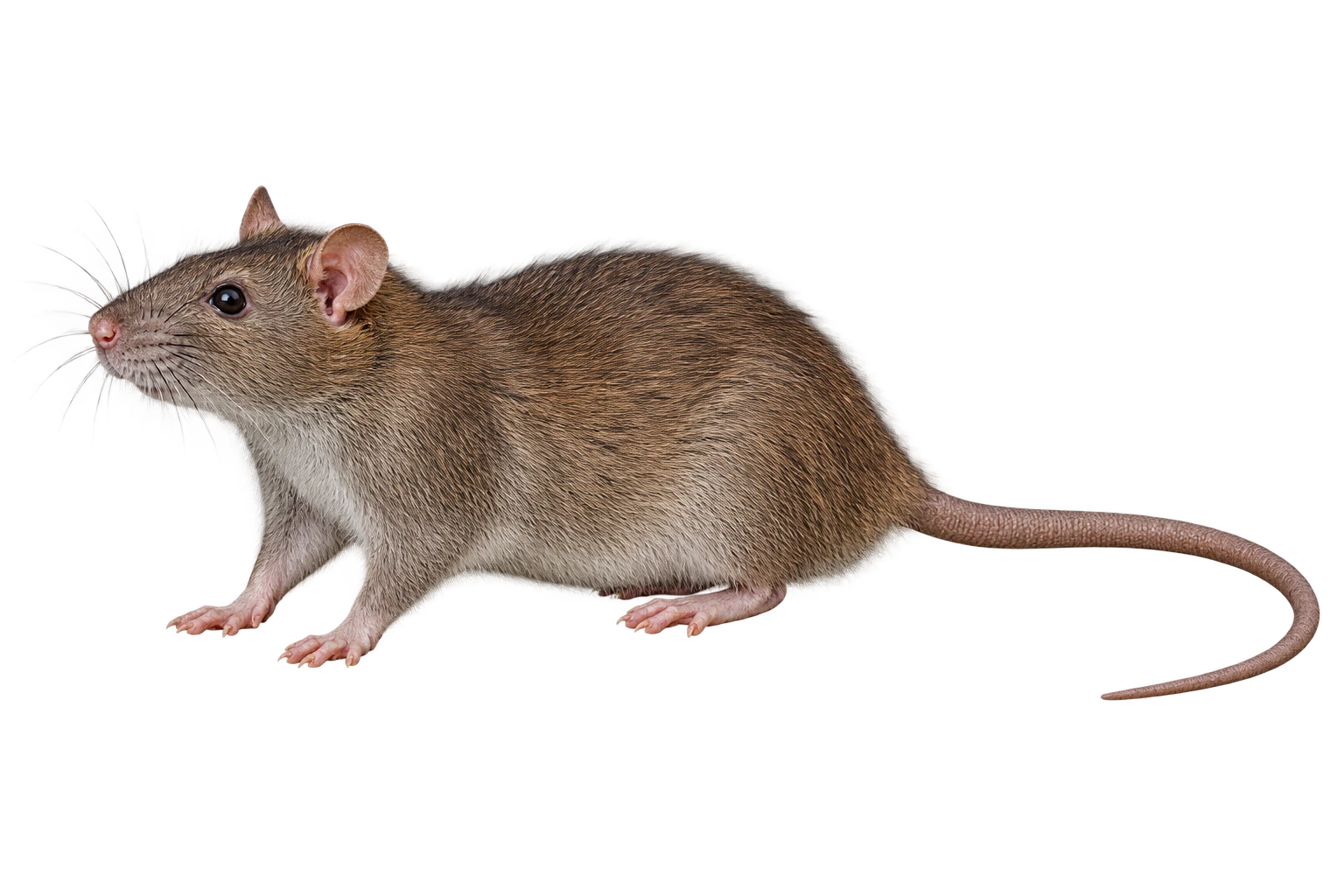
Appropriate control methods
Trapping systems or other professional controls are selected for the rodent, location and conditions. Thoughtful methods aim to address activity while avoiding unnecessary animal distress.
Careful placement & review
Device selection and placement take the use of the space into account, including children, pets and access. The team explains the approach and reviews the next steps.
Everyday rodent prevention around your home.
Food, shelter and access belong in the prevention plan. Practical changes around the property support the professional control work.
Food & waste
Protect stored food and pet food. Keep waste contained and reduce readily available food sources.
Hiding places
Review clutter and outdoor shelter near the building. Reduce the conditions that make those areas inviting.
Access details
Include door gaps, vents and utility penetrations in the assessment. Coordinate closure with the control plan.
Rodent cleanup & insulation restoration.
Droppings, nesting material and affected insulation can warrant additional care. The assessment helps define any cleanup and restoration scope.
Give rodent waste careful attention.
Avoid dry sweeping or vacuuming droppings and nesting waste. Disturbance can release contaminated particles into the air.
Discuss health concerns after exposure with a healthcare professional. Extensive or inaccessible contamination deserves a professional assessment.
CDC cleanup guidanceAssess the affected space
Review the activity, waste and materials involved.
Plan careful cleanup
Discuss appropriate sanitation and material removal.
Discuss insulation needs
Consider replacement where the condition calls for it.
Rodent control in Evansville & nearby communities.
Contact McMahon about the property and the activity you have noticed. We will confirm availability for your address and the work needed.
Evansville
Local homes and businesses.
Southwestern Indiana
Ask about your community.
Western Kentucky
Service confirmed by address.
Tell us where the activity is happening. Inside, outside or somewhere you cannot easily reach.
Discuss your propertyRodent control questions, answered.
From identifying activity to planning the next step, explore the details that matter for your property.
IdentificationHow do you identify the rodent involved?
The team considers the evidence, activity and building conditions during inspection. Droppings, sounds or a quick sighting alone may not explain the whole situation. Share what you have observed when arranging the assessment.
MethodsIs every rodent live captured?
The method depends on the animal, activity and setting. A plan may include trapping systems or other professional controls. The team will explain the appropriate approach, equipment and placement for the property.
Children & petsHow are children and pets considered?
Tell the team how the space is used and where children or pets have access. Those details inform equipment choice and placement. Follow the specific instructions discussed for your property.
Access pointsShould I close a suspected entry myself?
Have active access assessed before closing it. Entry-point work should be coordinated with the control plan and the building's ventilation needs. The inspection helps identify which details require attention.
CleanupIs cleanup included in every control plan?
Cleanup and insulation recommendations depend on the affected space. The team will discuss any additional scope, which may include contaminated material removal, sanitation and replacement insulation where appropriate.
Local serviceHow do I arrange local rodent service?
Call McMahon at (812) 475-1100 or use the contact page to discuss your address and the activity. We will confirm availability. Existing Nuisance customers can also call (812) 801-7712.
 Wildlife expertise. The McMahon way.
Arrange a rodent inspection.
A sighting, a sound or a space you are concerned about. Tell us what you have noticed, and we will help you understand the next step.
View all wildlife servicesStart with what you know.
We will take a closer look.